
Table of Contents
- Outdoor Recreational Facilities in Orange County: What to Expect
- Regional Parks and Community Parks Across Orange County
- Orange County Playgrounds for Children and Families
- Orange County Parks with Trails for Hiking and Walking
- Sports Parks and Athletic Facilities
- Aquatic Centers and Water Recreation
- Family Picnic Spots in Orange County
- Nature Areas and Wilderness Exploration
- Orange County Nature Programs and Recreation Activities
- Recreation Programs, Events, and Registration
- Accessibility and Inclusive Recreation Options
- Finding Park Locations, Hours, and Current Conditions
- Planning Your Visit: What to Bring and How to Prepare
- Frequently Asked Questions
Last Updated: October 19, 2026
Outdoor Recreational Facilities in Orange County: What to Expect
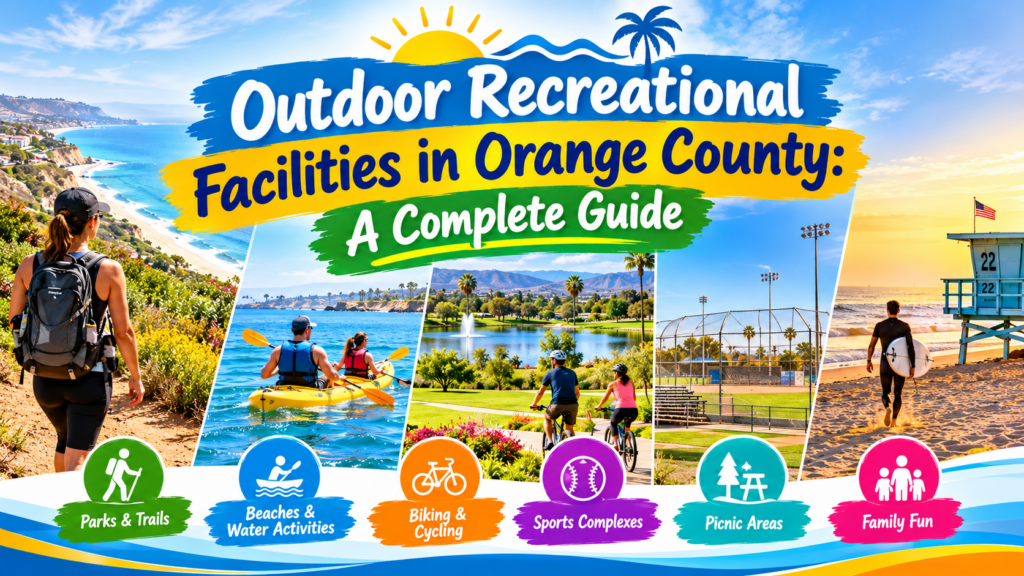
Outdoor recreational facilities across Orange County offer families, solo travelers, and adventure seekers a diverse range of activities year-round. From regional parks with sprawling trails to community playgrounds designed for young children, the county delivers options that suit nearly every interest and fitness level. Whether you’re planning a day trip from Fountain Valley or exploring what the broader region has to offer, understanding what’s available helps you make the most of your time outdoors.
The outdoor recreational landscape here includes everything from natural wilderness areas to developed sports complexes. Many visitors arrive expecting to find only beach access, but the county’s interior offers equally compelling destinations. Parks with trails wind through native chaparral and oak woodlands. Aquatic centers serve swimmers of all ages. Sports parks accommodate everything from casual pickup games to organized league play. This guide covers the major categories of outdoor recreational facilities, helping you identify what matches your interests and schedule.
Regional Parks and Community Parks Across Orange County
Regional parks form the backbone of outdoor recreational facilities throughout the county, and the fastest way to plan a visit is to know the major properties by name.
Community parks fill in the neighborhood level. Cities across the county operate their own community parks, and these tend to be smaller, closer to residential areas, and oriented toward everyday use rather than all-day outings.
Location and access vary more than the category names suggest. Some regional parks sit directly off freeways with large lots and clear signage, while others require navigating through residential streets to reach a smaller entrance. Hours also differ: many regional parks open at dawn and close at dusk, with some extending evening hours during summer.
Amenities that affect how long you can stay include restrooms, drinking fountains, shade structures, and picnic shelters. Regional parks generally have permanent restrooms and at least some covered picnic areas, while community parks may have portable restrooms or none at all.
A common planning mistake is treating all regional parks as interchangeable. They are not. If you are booking a hotel or vacation rental for an outdoor-focused trip, staying near the regional park you most want to visit reduces drive time and lets you arrive early, which matters most on summer weekends.
Regional parks with lakes and picnic shelters book up on holiday weekends. Arriving before mid-morning improves parking and shade availability, and reserving a picnic shelter in advance is the surest way to secure a group spot.
Orange County Playgrounds for Children and Families
Playgrounds represent some of the most visited outdoor recreational facilities, especially for families with young children. Orange County maintains playgrounds across its community parks, each with different equipment configurations and age-appropriate design.
Modern playgrounds balance open space with structured play equipment. Younger children typically find separate zones with lower climbing structures, slides, and sandbox areas. Older kids gravitate toward more challenging equipment like tall climbing walls, suspension bridges, and varied slide heights.
Shade coverage varies considerably between locations. Some playgrounds feature extensive tree canopy from mature growth. Others rely on shade structures, pergolas, umbrellas, or pavilions, that provide relief during peak heat hours. This detail becomes critical during summer months when ground temperatures can make metal equipment uncomfortable to touch.
Water features increasingly appear in Orange County playgrounds, especially splash pads and spray grounds. These operate seasonally and typically run during summer months. Unlike traditional swimming pools, splash pads require minimal supervision infrastructure and operate on a pay-per-visit or season-pass basis.
Parking and restroom facilities vary by location. Busy playgrounds sometimes have limited parking, particularly on weekends. Portable restrooms appear at some sites, while others connect to permanent facilities. Arriving early improves parking odds and reduces wait times for restrooms. Bringing hand sanitizer and wipes helps manage hygiene when facilities are distant from play areas.
Orange County Parks with Trails for Hiking and Walking
Trails represent a major draw for outdoor recreational facilities throughout the region, and the county maintains a wide network of walking and hiking paths ranging from flat, paved routes to steep single-track climbs.
For flat, paved routes that accommodate walkers, cyclists, and parents with strollers, the Santa Ana River Trail is the county’s best-known long-distance paved path, running along the river corridor and connecting several regional parks. The paved loop at Mile Square Regional Park in Fountain Valley is a local favorite for walking and jogging, and the paths at Yorba Regional Park in Anaheim offer shaded riverside walking with picnic access.
For dirt and nature trails, the county’s wilderness parks and regional parks offer more varied terrain. Limestone Canyon and Whiting Ranch Wilderness Park near Lake Forest and Foothill Ranch are known for oak woodland, creek crossings, and climbs that reward hikers with ridge views.
Elevation gain is the clearest way to separate a gentle walk from a challenging hike. Flat trails under two miles suit families with young children or anyone seeking gentle exercise.
Trail conditions change seasonally. Winter and spring rains can create muddy sections and temporary water crossings, and some wilderness trails close after heavy rain to prevent erosion damage. Summer heat dries out vegetation and increases fire danger, and high-fire-danger periods can trigger closures or restrictions on open flames.
Most established trails have directional signage and maintained tread, but some routes require navigation skills or map reading. Telling someone your intended route and expected return time adds a safety margin, especially on longer or less-trafficked paths.
Wilderness trails can close after rain or during high fire danger. Confirm current status on the managing agency’s page before driving out, and have a paved-path backup plan for your group.
If your trip centers on hiking, choosing a hotel or vacation rental near the trailhead you most want to hike shortens morning drives and lets you start before the heat builds. Visitors based in Fountain Valley can reach both the paved river trail and the foothill wilderness trails within a reasonable drive, which makes the area a practical base for a mixed itinerary of walking and hiking days.
Sports Parks and Athletic Facilities
Sports parks concentrate athletic infrastructure in dedicated spaces. Orange County operates numerous facilities hosting baseball, softball, soccer, basketball, and tennis. These parks typically include multiple fields or courts, allowing simultaneous competitions or practice sessions.
Reservation systems govern field access at most sports parks. Youth leagues book seasons in advance, and individual reservations open weeks ahead of desired dates. Walk-on availability depends on how heavily booked a facility is during your visit. Peak times (weekends, late afternoons, early evenings) fill quickly. Off-peak times (weekday mornings, early afternoons) often have open slots.
Lighting extends usability into evening hours at many facilities. Lighted fields support adult leagues and recreational play after sunset. Not all fields have equal lighting quality, some provide bright, even illumination while others have darker corners. Lighting also affects temperature; fields under lights run warmer than unlit alternatives.
Amenities at sports parks typically include parking, restrooms, and concession areas. Larger complexes feature bleachers, press boxes, and spectator seating. Smaller neighborhood parks might offer only basic parking and portable facilities. Bringing supplies (water, snacks, sunscreen) provides insurance against limited concession options or unexpectedly high prices.
Book Hotels with Exclusive Discounted Rates HERE →
Aquatic Centers and Water Recreation
Water-based outdoor recreational facilities include pools, splash pads, beaches, and natural swimming areas. Aquatic centers typically operate seasonally, opening Memorial Day weekend and closing after Labor Day. Some facilities extend hours during peak summer weeks.
Public swimming pools serve different purposes. Lap pools accommodate serious swimmers with multiple lanes and competitive depths. Shallow leisure pools suit families with young children and non-swimmers. Diving pools support competitive diving programs. Many facilities combine pool types in single complexes, allowing simultaneous use by different groups.
Water temperature varies by facility and season. Early-season pools can feel chilly, especially for young children. Mid-summer temperatures reach comfortable levels. Late-season cooling prompts some visitors to seek warmer alternatives. Heated pools appear at some facilities but typically cost more to use.
Admission pricing and pass options differ between public and private facilities. Day-use rates typically run per person. Season passes offer value for frequent visitors. Some facilities offer discounted rates during specific hours or days. Checking current pricing prevents budget surprises.
Beaches provide free water recreation but operate under different conditions than pools. Ocean temperature stays cooler than heated pools year-round. Wave action and currents create different hazards than pool environments. Lifeguard presence varies by beach and season. Parking at popular beaches fills quickly, especially weekends, requiring early arrival.
Family Picnic Spots in Orange County
Picnic areas within outdoor recreational facilities range from simple tables under trees to developed pavilions with grills and electricity. Dedicated picnic grounds often feature multiple tables, shade structures, and convenient parking.
Reservation systems govern pavilion access at popular locations. Booking in advance guarantees space for group events. First-come, first-served picnic tables suit smaller gatherings or spontaneous outings. Arriving early improves odds of securing preferred locations with optimal shade.
Grilling options vary by facility. Some parks prohibit open flames but allow portable charcoal grills. Others provide permanent barbecue stations. A few restrict all cooking. Checking facility rules prevents arriving with equipment you cannot use.
Table quality and shade coverage significantly affect picnic comfort. Older tables might be weathered or wobbly. Newer installations include attached benches and durable surfaces. Shade from mature trees beats artificial structures during peak heat hours. Open-sun tables work fine on mild days but become uncomfortable during afternoon heat.
Water access matters for cleanup and drinking. Picnic areas with adjacent restrooms and water fountains offer convenience. More remote locations might require bringing your own water supply. Planning meals that minimize cleanup reduces dependence on facilities.
Nature Areas and Wilderness Exploration
Wilderness areas within Orange County preserve native habitat and offer experiences distinct from developed parks. These properties emphasize ecological values alongside recreation. Trails through wilderness areas typically receive less maintenance than developed park routes, creating more challenging conditions.
Native vegetation includes coastal sage scrub, oak woodland, and riparian corridors depending on location and elevation. Seasonal wildflowers attract photographers and nature enthusiasts. Wildlife sightings, deer, coyotes, raptors, occur more frequently in less-developed areas. Respecting wildlife by maintaining distance and moving quietly enhances experiences for everyone.
Wilderness areas often lack facilities like restrooms or water. Self-sufficiency becomes essential; visitors must bring adequate water and supplies. Trails might lack clear signage, requiring map and compass skills. These conditions appeal to experienced outdoor enthusiasts but challenge casual visitors.
Fire danger affects wilderness area access seasonally. High-fire-danger periods might trigger closures or restrictions on open flames. Checking current conditions before visiting prevents wasted trips. Fire-safe practices, staying on trails, properly extinguishing campfires, protect these irreplaceable spaces.
Orange County Nature Programs and Recreation Activities
Organized programs expand outdoor recreational opportunities beyond self-guided visits. Ranger-led hikes introduce participants to natural history, ecology, and local wildlife. Guided nature walks often include educational components that enhance appreciation for visited areas.
Junior naturalist programs engage children in outdoor learning. Activities might include wildlife tracking, plant identification, or stream ecology. These programs build confidence in younger participants and establish lifelong outdoor interests.
Environmental education classes teach skills like wilderness first aid, orienteering, or wildlife photography. Some programs focus on specific interests, birding, native plant gardening, or sustainable outdoor practices. Registration typically opens weeks in advance, with popular programs filling quickly.
Seasonal programming responds to natural cycles. Spring programs emphasize wildflower identification and bird migration. Summer offerings include water-based activities. Fall programs highlight migration and preparation for winter. Winter programs focus on animal tracking and dormancy.
Recreation Programs, Events, and Registration
Structured programs operate through county recreation departments and community organizations. Registration systems vary but typically allow online booking through official websites or in-person signup at facility offices.
Youth sports leagues organize seasonal competitions for baseball, soccer, basketball, and other sports. Age divisions accommodate different developmental stages. Competitive and recreational divisions serve various skill levels. Registration deadlines precede seasons by several weeks, allowing time for team formation and scheduling.
Adult recreational leagues serve participants seeking organized play without competitive intensity. Skill levels within leagues vary, accommodating newer participants alongside experienced players. Social components, post-game gatherings, seasonal celebrations, appeal to participants valuing community alongside athletic competition.
Fitness classes operate at parks and recreation centers. Outdoor yoga, boot camps, and group running programs meet regularly. Drop-in rates suit occasional participants, while session packages offer value for committed attendees. Seasonal scheduling adjusts to weather conditions, moving indoor during extreme heat or cold.
Special events, festivals, concerts, races, activate outdoor recreational facilities throughout the year. These gatherings draw crowds and create community atmosphere. Parking and facility impacts require arriving early or using alternative transportation.
Accessibility and Inclusive Recreation Options
Inclusive design ensures outdoor recreational facilities serve people with varying physical abilities. Accessible parking, paved routes, and accessible restrooms remove barriers for many users. Adaptive equipment, hand cycles, specialized wheelchairs, enables participation by people with mobility limitations.
Book Hotels with Exclusive Discounted Rates HERE →
Sensory considerations matter for visitors with visual or hearing impairments. Audible signals at crossings, tactile trail markers, and descriptive signage enhance access. Staff training in inclusive practices ensures welcoming experiences for all visitors.
Adaptive recreation programs specifically serve people with disabilities. Therapeutic horseback riding, adaptive sports clinics, and inclusive fitness classes provide specialized support. These programs often employ trained instructors familiar with different accommodation needs.
Quiet spaces within busy parks benefit people with sensory sensitivities. Designated low-noise areas, reduced-stimulation environments, and flexible scheduling support visitors managing anxiety or sensory processing differences. Creating inclusive experiences means considering diverse needs beyond mobility.
Finding Park Locations, Hours, and Current Conditions
Online park directories provide searchable databases of outdoor recreational facilities. Most county systems allow filtering by facility type, amenities, and location. Maps show parking areas, trail routes, and facility layouts.
Official websites display current hours, seasonal closures, and facility status. Maintenance schedules, weather-related closures, and emergency restrictions appear with advance notice. Checking before arrival prevents discovering closed facilities upon arrival.
Mobile apps from county recreation departments provide real-time updates. Push notifications alert users to changes in conditions or special events. Offline map downloads enable navigation without cell service.
Social media channels, Facebook, Instagram, Twitter, often post updates and photos from facilities. Following official accounts provides informal updates alongside formal announcements. User-generated content shows how facilities appear during different seasons and times.
Phone lines connect visitors with staff who answer questions about specific facilities. Wait times vary, but calling during off-peak hours typically connects quickly. Staff can address facility-specific questions that online resources might not cover.
Planning Your Visit: What to Bring and How to Prepare
Successful outdoor recreational visits depend on adequate preparation. Checking weather forecasts guides clothing choices and activity selection. Temperature swings between sun and shade, morning and afternoon, require layering options.
Water consumption increases with activity level and temperature. Bringing more water than you think necessary prevents dehydration. Electrolyte replacement matters for extended activities or hot conditions.
Sun protection, sunscreen, hats, lightweight long sleeves, prevents burns and heat stress. Sunscreen requires reapplication every two hours, especially after water exposure. Peak sun hours (10 AM to 4 PM) deliver strongest UV intensity.
Appropriate footwear prevents injuries and improves comfort. Trail hiking demands supportive shoes with adequate tread. Casual walking suits lighter shoes. Wet areas require footwear with drainage and traction. Blisters develop from poor-fitting shoes, ruining otherwise enjoyable outings.
Insect protection becomes relevant during certain seasons. Mosquito repellent prevents bites and potential disease transmission. Long sleeves and pants offer passive protection. Timing visits to avoid peak insect hours, dawn and dusk, reduces exposure.
Bringing entertainment for children prevents boredom during drives or downtime. Snacks appeal to hungry kids and prevent energy crashes. Small first aid supplies, bandages, pain relievers, antihistamines, address minor issues without requiring facility visits.
Planning outdoor recreational activities in Orange County requires knowing what facilities exist, where they’re located, and what to expect during your visit.
Frequently Asked Questions
What are the best outdoor recreational facilities for families in Orange County?
Orange County offers diverse outdoor recreational facilities including regional parks with playgrounds, nature trails, sports parks, and aquatic centers. Regional parks typically feature multiple amenities in one location, making them ideal for families planning full-day visits. Community parks offer smaller, neighborhood-focused options with playgrounds and picnic areas. The best choice depends on your family’s interests, whether you prefer hiking, water activities, sports, or casual picnicking. Most facilities are free or low-cost, making them accessible for all budgets.
Which Orange County parks have the best trails for hiking and walking?
Orange County parks with trails range from easy neighborhood walks to more challenging wilderness hikes. Nature areas and regional parks feature marked trails suitable for various fitness levels. Many parks offer both paved paths for casual walking and unpaved trails for hiking enthusiasts. Trail conditions vary seasonally, so checking current conditions before your visit is recommended. Most parks provide trail maps at entrances or online, helping you choose routes that match your experience level and time availability.
Are there nature programs and outdoor activities for children in Orange County?
Yes, Orange County offers numerous nature programs and outdoor activities designed for children and families. Recreation centers throughout the county organize seasonal programs, nature exploration activities, and outdoor education classes. Many regional parks host family-friendly events and guided nature walks. Programs often focus on environmental education, outdoor skills, and recreational activities. Registration details and schedules vary by location and season, so contacting your local recreation center or checking park websites provides current program information and registration procedures.
What should I bring when visiting Orange County outdoor recreational facilities?
Pack water, sunscreen, and weather-appropriate clothing for any outdoor visit. Bring comfortable walking shoes, snacks, and a light jacket for temperature changes. If visiting parks with trails, consider a backpack, map, and phone for navigation. For picnic areas, bring blankets, coolers, and any necessary dining items. Check specific facility rules before visiting, some parks have restrictions on certain items or require reservations for picnic areas. Arriving early helps you secure the best spots, especially on weekends and holidays.
How do I find current information about park locations and facility conditions?
Most Orange County parks maintain official websites and directories listing locations, hours, amenities, and current conditions. Contact your local parks and recreation department directly for the most up-to-date information. Many parks post seasonal updates, maintenance schedules, and weather-related closures online. Calling ahead ensures facilities are open and accessible before planning your trip. Park maps and visitor information are typically available at entrances or through online resources, helping you plan routes and activities in advance.
Are there accessible recreational facilities for people with disabilities in Orange County?
Orange County is committed to inclusive recreation, with many outdoor recreational facilities offering accessible pathways, parking, restrooms, and adapted equipment. Playgrounds often include accessible play structures designed for children with varying abilities. Aquatic centers typically provide accessible entry and facilities. Contact specific parks or recreation centers ahead of your visit to confirm accessibility features and available accommodations. Staff can provide detailed information about accessible routes, adaptive programs, and specialized equipment available at each location.
What recreational activities are available for different interests in Orange County?
Orange County outdoor recreational facilities serve diverse interests including hiking, cycling, swimming, sports, picnicking, and nature exploration. Sports parks feature fields for baseball, soccer, and other athletic activities. Aquatic centers offer swimming and water recreation. Nature areas provide opportunities for bird watching and wildlife observation. Playgrounds serve families with young children. Recreation programs and events cater to various age groups and skill levels throughout the year, ensuring there’s something for everyone regardless of interests or experience.
Can I reserve facilities or register for programs at Orange County parks?
Yes, many Orange County parks and recreation facilities accept reservations for picnic areas, sports fields, and group activities. Registration is typically required for organized programs, classes, and events. Reservation procedures and availability vary by location and season. Most parks accept reservations online, by phone, or in person through their recreation centers. Early booking is recommended, especially for popular facilities and peak seasons. Contact your local parks department for specific reservation policies, fees, and available dates.

This is really interesting, You’re a very skilled blogger. I’ve joined your feed and look forward to seeking more of your magnificent post. Also, I’ve shared your site in my social networks!