Table of Contents
- Why Quiet Places to Stay in Orange County Take Some Searching
- How We Picked These Quiet Hotels in Orange County
- 1. Crystal Cove and Newport Coast: Secluded Coastal Stays
- 2. Laguna Beach: Boutique Hotels Off the Main Drag
- 3. Fountain Valley: A Suburban Base Near the Coast and Parks
- 4. San Clemente and Dana Point: South County Calm
- Less Crowded Beaches in Orange County for a Peaceful Day
- Best Areas to Stay in Orange County by Traveler Type
- How to Choose a Quiet Hotel Room: Noise Checks That Work
- When to Visit for Fewer Crowds and Lower Rates
- Frequently Asked Questions
Last Updated: October 20, 2026
Why Quiet Places to Stay in Orange County Take Some Searching
Finding genuinely quiet places to stay in Orange County is harder than it looks. The county packs theme parks, busy coastal highways, and dense beach-town centers into a relatively small footprint, so a hotel that looks peaceful on a map can sit directly over a nightlife strip or beside a four-lane road. This guide from Fountain Valley focuses on the pockets where calm is the default, not the exception.
We built it around a simple idea: quiet is a location decision first and a room decision second. Get the area right and most of the work is done. Get it wrong and no amount of white noise will save your sleep.
Below, we cover nine picks across five areas, plus the practical checks that separate a restful stay from a restless one. The trade-offs are real: the quietest spots often sit a short drive from the sand, the dining, and the parks you came for. We will show you where that trade makes sense.
Quiet in Orange County usually comes from one of three things: distance from a highway, distance from a nightlife district, or a property set back from the road. Check all three before you book.
How We Picked These Quiet Hotels in Orange County
We judged each area and property on five practical criteria: distance from major roads and freeway on-ramps, separation from beach-town commercial strips, whether rooms face a courtyard, bluff, or parking lot, the character of the surrounding blocks, and how easy it is to reach the coast or a theme park without crossing the busiest corridors.
We did not rank by star rating or price. A modest property on a dead-end residential street can beat a resort overlooking a busy pier. We also favored areas where the evening crowd thins out, since most noise complaints trace back to foot traffic and late-night venues rather than the properties themselves.
Be skeptical of any listing that calls itself “secluded” without saying what it is secluded from. A hotel can be far from the beach and still sit beside a highway off-ramp. Read the map, not the marketing copy.
1. Crystal Cove and Newport Coast: Secluded Coastal Stays
Crystal Cove and Newport Coast deliver the most reliably quiet coastal setting in the county, but the quietness is not uniform, it depends on which side of Pacific Coast Highway you are on and how far the property sits from the highway’s blind curves. The area sits south of the busiest stretches of Newport Beach, framed by coastal bluffs, state parkland, and residential canyons rather than commercial strips. Properties here tend to be set back from Pacific Coast Highway, and the surrounding roads carry local traffic instead of beach-day volume.
This is where you go if you want the ocean without the boardwalk scene. Mornings are dominated by walkers and cyclists on the bluff-top paths, and evenings are close to silent once the day visitors leave. The trade-off is real: dining and groceries are a short drive, not a walk. If you want to park the car and forget it, this is not the area for you. If you want silence at night, it is hard to beat.

What separates a truly quiet stay here from a merely scenic one is room placement. Properties on the inland side of Pacific Coast Highway catch less road noise than ocean-fronting ones, because the highway curves and the sound carries up the canyon. When you book, ask whether the room faces the highway or the canyon, canyon-facing rooms are consistently quieter, even without an ocean view. Also ask about proximity to the Crystal Cove State Park parking lots, which draw early-morning hikers and can generate car-door noise before 7 a.m. on weekends.
For comparison, Expedia’s Orange County secluded hotel search lets you filter regional properties by seclusion, and it is a reasonable starting point for seeing what is available in this corridor. Treat any “from” rate as a sample, not a quote for your dates. If you prefer a vacation rental with a full kitchen, useful here since dining is a drive, Vrbo’s Newport Coast vacation rental listings shows homes in the residential canyons above the highway, which are typically quieter than anything on the coastal side.
A common mistake is assuming that a higher price or an ocean view guarantees quiet. Ocean-fronting rooms on Pacific Coast Highway catch traffic sound all night, especially from motorcycles and trucks. If sleep matters more than the view, request a canyon-facing room and confirm it in writing.
The best quiet window here is midweek in late spring or early fall, when the park trails are empty and the highway carries commuter traffic rather than beach-goers. Weekend mornings bring hikers to the state park lots by 8 a.m., so if you are a light sleeper, ask for a room away from the trailhead access points.
2. Laguna Beach: Boutique Hotels Off the Main Drag
Laguna Beach rewards anyone willing to walk one block inland. The town’s character comes from its coves and galleries, but its noise comes from Pacific Coast Highway and the concentrated dining and bar blocks near the main beach. Boutique properties set on the hillside streets above the village, or tucked into the residential lanes toward the north end, are noticeably calmer than anything fronting the highway.
Small inns and cottage-style stays are the norm here rather than large resorts. That works in your favor: fewer rooms, fewer corridors, fewer late arrivals slamming doors. Ask specifically for a room away from the street and, where offered, facing a courtyard or garden.
In Laguna, the single best noise question to ask is whether the room windows face Pacific Coast Highway. Rooms on the ocean side of a highway-fronting property still catch traffic sound at night. An inland-facing room one street up is usually quieter than an ocean-view room on the highway.
Parking is tight and often charged separately in this town, so confirm the arrangement before you book. The upside is that once you are parked, the village, the coves, and the dining are all walkable.
3. Fountain Valley: A Suburban Base Near the Coast and Parks
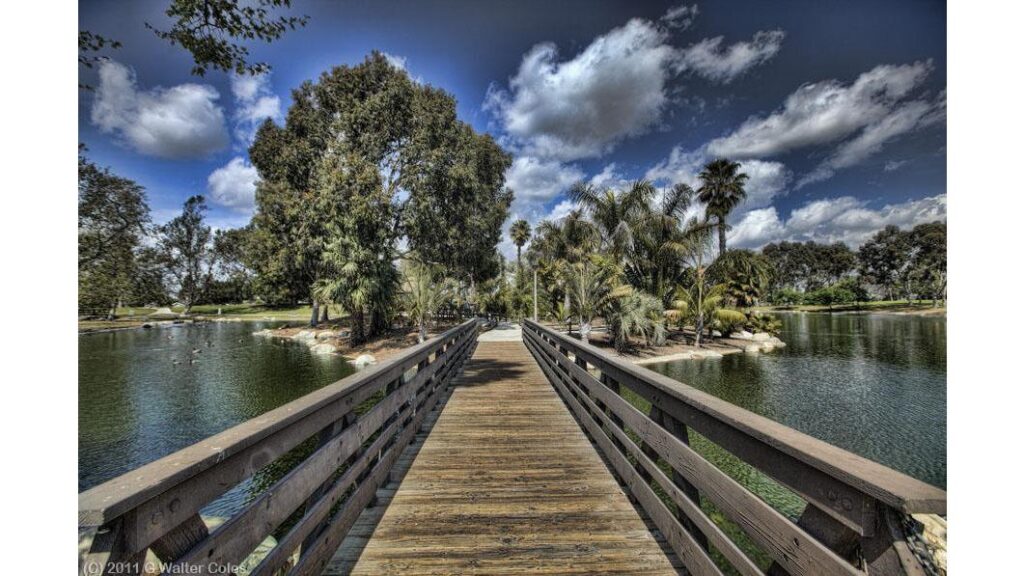
Fountain Valley is the quiet option most visitors overlook. It is a residential suburb with wide streets, low traffic after commute hours, and a location that puts you roughly midway between the coast and the theme parks. That central position means you can reach Huntington Beach, Newport Beach, or the Anaheim resort area without staying in the middle of any of them.
This is the pick for travelers who want a calm base and do not need to be steps from the sand. The trade-off is real: you will drive to the beach. In exchange, you get easier parking, quieter nights, and a food scene that leans local rather than tourist-facing, with a strong concentration of Vietnamese and Korean restaurants.
As Fountain Valley develops its own visitor guide, we are working diligently to enhance the site to ensure a high-quality experience for all visitors. For now, the short version is that a suburban hotel here works well for families splitting time between the coast and the parks, and for anyone who values a quiet room over a view.
4. San Clemente and Dana Point: South County Calm
South County moves at a different pace. San Clemente and Dana Point sit far enough from the theme-park corridor that the whole rhythm of the area changes: smaller crowds, quieter evenings, and a stronger sense of a working coastal town rather than a resort destination.
San Clemente in particular has a walkable downtown that stays calm on weeknights, with the pier and beaches a short distance from most accommodations. Dana Point’s harbor area draws evening visitors, so properties closest to the marina are the loudest option here. Look slightly inland or toward the bluffs for a quieter night.
Book Hotels with Exclusive Discounted Rates HERE →
Booking.com’s Orange County beach hotel listings include properties across this southern corridor, and comparing a harbor-adjacent option against an inland one on the map will tell you more about noise than any description will.
The drive north to the parks is longer from here. If Disneyland is your main event, this is a scenic base rather than a convenient one.
Less Crowded Beaches in Orange County for a Peaceful Day
The quietest beaches in Orange County are generally the ones without a lifeguard tower cluster, a snack bar, and a paid lot all in one place. Crystal Cove State Park rewards the walk down from the bluff with wide sand and far fewer people than the town beaches. The northern stretches of Huntington Beach and the state beach areas south of the main pier also thin out quickly once you move away from the entrances.
Timing matters as much as location. Weekday mornings are calm almost everywhere. Weekend afternoons in summer are busy almost everywhere. Arrive before mid-morning or come after the afternoon peak and you will have a different experience at the same beach.
Park at the less obvious access point. Beaches with a single main entrance concentrate crowds at that entrance. Where a beach has multiple stairways or access paths, walking one or two access points away from the main lot usually buys you space.
Best Areas to Stay in Orange County by Traveler Type
The right base depends on what your trip is actually for, and quiet means different things to a couple on a anniversary trip versus a family with a stroller. Here is how we would match the areas above to common trips, with the specific quietness trade-offs that matter for each.
| Traveler type | Best area | Why it fits | Main trade-off |
|---|---|---|---|
| Couples wanting calm | Crystal Cove / Newport Coast | Bluff setting, minimal night traffic, no bar scene within walking distance | Dining is a drive away; expect to use rideshare or drive for dinner |
| Walkers and gallery-goers | Laguna Beach, inland side | Village is walkable, rooms off the highway are quiet, galleries and coves on foot | Parking is tight and often paid; confirm the property’s parking arrangement before booking |
| Families splitting coast and parks | Fountain Valley | Central, quiet nights, easy parking, residential streets | You drive to the sand; no beach within walking distance |
| Budget-conscious beach trips | San Clemente | Lower rates than the north coast, calm weeknights, walkable downtown | Longer drive to the theme parks; pier area busier on weekends |
| Theme-park-first trips | Anaheim-adjacent, room facing away from the resort district | Short transfers, quieter if you pick the room carefully | The district itself is never quiet; request a room on the opposite side of the building from the park-facing side |
For couples, the quietest choice is usually a property with no on-site restaurant or bar, since those spaces draw evening traffic even from non-guests. For families, the key question is whether the pool area hosts organized activities or music, ask specifically about pool hours and whether the pool deck is used for events. For remote workers, confirm that the room has a desk away from the window and ask about Wi-Fi reliability in the evenings, when streaming traffic peaks.
For anyone comparing sample rates across these areas, KAYAK’s Orange County hotel search shows city-level starting figures, which are useful for gauging relative cost between areas but not for budgeting a specific night. If you are booking a vacation rental instead of a hotel, Vrbo’s Orange County vacation rental listings lets you filter by neighborhood, which matters more for quiet than any property amenity, a rental on a residential street in Fountain Valley will almost always be quieter than a beachfront condo above a restaurant.
When booking for a specific traveler type, call the property directly and ask: “Which rooms do you recommend for guests who prioritize quiet?” Front-desk staff know which rooms face the courtyard versus the road, and a specific request at booking is usually accommodated.
How to Choose a Quiet Hotel Room: Noise Checks That Work
A quiet area does not guarantee a quiet room. The room itself is where most sleep problems start, and a few checks before you book will do more than any review score.
- Ask what the room window faces: a courtyard or garden beats a parking lot, a road, or an air-conditioning plant.
- Request a room away from the elevator, ice machine, and stairwell. These are the three most common in-hall noise sources.
- Confirm whether the property hosts events, weddings, or pool parties, and on which days.
- Check the map for freeway on-ramps and arterial roads within a block or two.
- Ask about room-to-room sound: older motel-style properties with exterior corridors transmit more noise than interior-corridor buildings.
- For ground-floor rooms, ask whether the room sits under a common area or above the lobby.
- Confirm whether renovations or construction are scheduled during your dates.
The most common mistake is booking an ocean-view room and assuming it is the quiet one. Ocean-view rooms frequently face the road that runs along the coast. If quiet matters more than the view, say so when you book and ask for the trade explicitly.
When you call, ask for the room type by name and get the answer in writing if you can. Front-desk staff know which rooms are quiet, and a polite, specific request is usually accommodated.
When to Visit for Fewer Crowds and Lower Rates
Seasonality drives both crowds and rates across the county, and the quiet windows are predictable. Late spring and early fall tend to offer the best balance: mild weather, thinner crowds, and softer rates than the summer peak. Winter weekdays are the quietest of all, though coastal fog and shorter days come with them.
Day of week matters as much as month. Sunday through Thursday nights are consistently calmer than Friday and Saturday, particularly in Laguna Beach and the Dana Point harbor area, where weekend evening traffic is concentrated. If your dates are flexible, shifting a stay by one night often changes the experience more than changing the property.
The quietest trip is usually a weekday stay in the shoulder season at an inland-facing room. Each of those three choices removes a different source of noise and cost.
One more pattern worth knowing: holiday weekends behave like summer weekends regardless of the month. If a quiet stay is the goal, check the calendar for three-day weekends before you book.
Frequently Asked Questions
Which areas of Orange County are quietest at night?
Suburban and canyon-adjacent areas tend to be calmest after dark. Fountain Valley and the neighborhoods around Costa Mesa’s Back Bay see little nightlife foot traffic, and Crystal Cove’s canyon side is far from bar and restaurant noise. Laguna Beach’s village center stays lively into the evening, so request a room away from Coast Highway. Wherever you book, ask the front desk whether your room faces a street, parking lot, or pool courtyard, since interior-facing rooms are usually the quietest option.
Are there quiet places to stay near the beach in Orange County?
Yes. Properties set back from Coast Highway, such as the boutique options tucked into Laguna’s residential streets and the secluded picks that show up in filtered hotel searches for the beach cities, tend to be calmer than oceanfront resorts with pool decks and event spaces. Crystal Cove and San Clemente also offer coastal stays with less through traffic. Check recent guest reviews for words like ‘peaceful’ and ‘quiet,’ and confirm whether your room overlooks a courtyard rather than the street.
How can I avoid a noisy hotel room when booking?
Ask three questions before you book: what your room faces, how far it sits from the elevator and ice machine, and whether any events are scheduled during your stay. Request a top-floor room away from stairwells and the lobby. Read recent guest reviews specifically for noise complaints rather than overall ratings. If you are sensitive to sound, pack earplugs and a white-noise app as backup, and call the property directly a day ahead to confirm your room assignment rather than relying on the booking notes.
What should I look for when booking a quiet hotel in Orange County?
Look at the property’s setting first: a side street or canyon location beats a boulevard address. Then check room layout, since rooms facing interior courtyards or gardens are quieter than those over parking areas. Filter hotel searches for secluded or quiet properties, then verify with recent reviews. Ask about adults-only sections, blackout curtains, and whether the hotel hosts weddings or conferences. Comparing rates across a few booking sites helps, but quietness comes down to location and room placement more than star rating.
Where should I stay in Orange County for a quiet getaway?
For a calm coastal escape, Crystal Cove and Laguna Beach’s residential side offer secluded boutique stays. Fountain Valley works well as a suburban base with easy access to Huntington Beach and the parks, and it tends to be quieter and less expensive than theme-park-adjacent areas. San Clemente and Dana Point suit travelers who want South County calm. If your trip includes Disneyland, staying in Fountain Valley or another inland city keeps evenings peaceful while leaving a short drive to Anaheim.
Planning a quiet Orange County trip comes down to choosing the right base and asking the right questions before you book. Fountain Valley is building a visitor guide around exactly that: honest comparisons of where to stay, what each area trades off, and how to plan around crowds. Our guide covers local dining, parks, and recreation, and it is designed to keep you on one site instead of five. Check back as we publish, and use it to plan your next stay with fewer surprises and quieter nights.