

Table of Contents
- What Makes Coachella Valley Golf Exceptional
- Public Golf Courses in the Coachella Valley Worth Playing
- Best Time of Year to Golf in the Desert
- Course Features That Define Desert Golf
- Planning Your Coachella Valley Golf Experience
- Accessibility and Mobility-Friendly Options
- Frequently Asked Questions
Last Updated: September 29, 2026
What Makes Coachella Valley Golf Exceptional
The Coachella Valley has earned its reputation as home to some of the best golf courses in coachella valley, and for good reason. Championship layouts, desert vistas, and year-round playability create an experience unlike traditional courses elsewhere. We provide curated information to help you discover the combination of architectural excellence, natural beauty, and accessibility that draws golfers back to these courses repeatedly.
Desert golf presents unique challenges and rewards. Elevation changes shape how the ball travels. Mountain backdrops frame every hole. Fairway conditions vary dramatically by season and maintenance approach. The best golf courses in the Coachella Valley use these natural elements rather than fight against them.
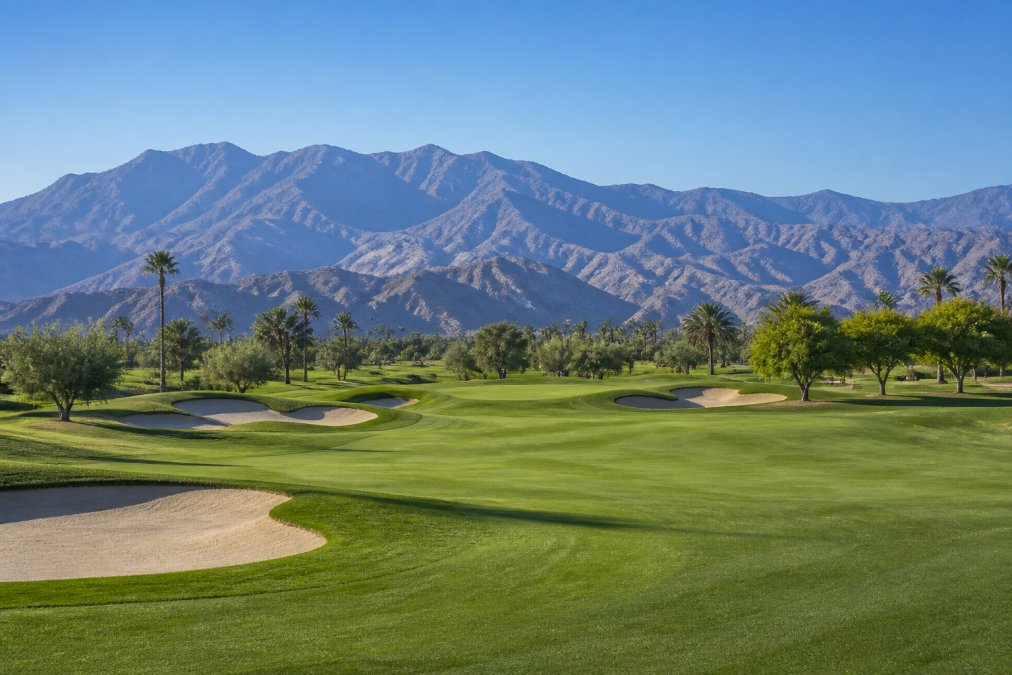
What separates exceptional courses from average ones? The answer lies in three factors: how well they integrate the desert landscape, how they challenge without punishing beginners, and how they maintain playability across the entire year. The best golf courses in the Coachella Valley excel at all three.
Desert golf demands respect for elevation, wind, and heat. Courses that acknowledge these conditions rather than mask them create the most memorable experiences.
Public Golf Courses in the Coachella Valley Worth Playing
Public access changes everything. You don’t need membership or connections to experience championship layouts here. Many courses in the Coachella Valley welcome daily-fee players, which means you can test multiple courses across a trip.
Championship-Level Layouts Open to Public Golfers
Championship courses don’t require private membership. Several public options deliver the difficulty, design quality, and course conditioning you’d find at exclusive clubs.
These courses feature par-72 layouts with slope ratings that challenge skilled players while maintaining playability. Signature holes showcase desert architecture at its finest. Water hazards, bunker placement, and elevation changes demand strategy. A typical round takes 4.5 to 5 hours, depending on pace of play and your skill level.
What makes a course “championship-level”? The answer involves multiple factors: architect reputation, course maintenance standards, hazard design, and how the layout flows across the terrain. Courses designed by recognized architects tend to receive more attention from serious golfers.
Book tee times early in the morning or late afternoon. These slots offer better pace of play and cooler temperatures, especially during warmer months.
Beginner-Friendly Courses with Desert Character
Not every course demands a handicap in single digits. Beginner-friendly options still deliver authentic desert golf without overwhelming newer players.
These courses feature wider fairways, fewer forced carries, and more forgiving rough. Par-3 courses and executive layouts offer shorter alternatives. Driving ranges and practice facilities let you warm up before your round. Many include lessons from PGA professionals.
The key difference isn’t the scenery, it’s the difficulty curve. Beginner courses still showcase mountain views and desert landscaping. They just don’t penalize every wayward shot. A beginner can complete a full round in 3.5 to 4 hours and enjoy the experience rather than struggle through it.
Best Time of Year to Golf in the Desert
Timing determines everything. Temperature, humidity, and course conditions shift dramatically across the calendar. The best golf courses in the Coachella Valley play entirely differently depending on when you visit.
Peak season runs from November through April. Daytime temperatures hover between 70 and 85 degrees Fahrenheit. Fairway conditions reach their best. Tee times book weeks in advance. Snowbirds and winter visitors fill the courses.
Summer golf (June through August) presents a different challenge. Afternoon temperatures exceed 110 degrees. Morning rounds become the only realistic option. Some courses close or reduce operations during extreme heat. Green fees adjust accordingly.
Spring and fall offer a middle ground. March and April see pleasant temperatures before summer heat arrives. September and October cool down after summer peaks. Fewer golfers visit during these shoulder seasons, which means easier tee-time booking and shorter rounds. Maintaining comfort during these transitional months requires careful consideration of golf apparel for heat to ensure that your performance remains consistent even as the desert sun begins to intensify.
Never underestimate desert heat. Bring extra water, sunscreen rated SPF 50+, and electrolyte replacements. Dehydration happens faster in dry desert air than you’d expect.
Course Features That Define Desert Golf
Desert golf looks and plays differently than courses in humid climates. Understanding these features helps you prepare mentally and physically.
Elevation Changes and Mountain Views
Elevation separates desert courses from flat layouts elsewhere. Holes climb hillsides. Fairways descend into valleys. Each elevation change affects how the ball travels and how you calculate distance.
A shot at 5,000 feet altitude travels farther than the same shot at sea level. The ball carries an extra 5 to 10 percent farther due to thinner air. Your club selection changes. A 7-iron might play like a 6-iron. Golfers accustomed to sea-level courses often overestimate distance initially.
Mountain views frame the experience. Signature holes position tees or greens to maximize scenic backdrops. These vistas matter more than you’d think, they make difficult holes feel rewarding rather than punishing.
Fairway Conditions and Course Maintenance
Fairway grass types vary by season. Overseeding schedules change how courses play month to month. Winter grass (cool-season varieties) takes over from late fall through spring. Summer grass (warm-season varieties) dominates June through September.
Book Hotels with Exclusive Discounted Rates Now →
Winter fairways tend to be firmer and faster. Summer fairways play softer. The transition periods (April-May and September-October) can feel inconsistent as one grass type recedes and another takes over.
Course maintenance standards directly affect your experience. Well-maintained courses show consistent conditioning across all 18 holes. Bunker placement looks intentional rather than haphazard. Putting greens roll true. Cart paths stay in good repair.
Planning Your Coachella Valley Golf Experience
Logistics matter as much as course selection. A great course becomes frustrating if you can’t book a tee time or if you’re unprepared for the heat.
Tee Time Booking and Logistics
Book tee times 30 to 60 days in advance for peak season (November through April). Summer rounds book much closer to your desired date. Many courses offer online booking systems that show real-time availability.
Call courses directly if online systems don’t show what you want. Pro shops sometimes hold slots for phone bookings. Ask about package deals or multi-round discounts, many courses offer them for visitors playing multiple rounds during a stay.
Arrive 20 to 30 minutes before your tee time. Check in at the pro shop. Review the scorecard and course layout. Use the driving range or practice green if time permits.
Transportation between courses matters. Some courses sit 15 to 20 minutes apart by car. Plan your route if you’re playing multiple rounds on the same day. Ride-share services work in the valley if you prefer not to drive after a round.
Clubhouse Amenities and Post-Round Dining
Clubhouse facilities vary. Some courses feature full restaurants and bars. Others offer basic snack bars. Check what’s available before your round if food matters to your experience.
Many courses allow outside food and beverages. This lets you pack snacks and stay hydrated without relying on course amenities. Some restrict alcohol to course-provided beverages, so verify policies ahead of time.
Post-round dining at the clubhouse extends the experience. Sitting with other golfers, reviewing the round, and enjoying a meal creates community. Some courses schedule regular events or tournaments that include social components.
Accessibility and Mobility-Friendly Options
Golf should be accessible to players of all abilities. Several courses in the Coachella Valley offer mobility-friendly options that don’t compromise the experience.
Courses with cart paths designed for accessibility allow golfers with mobility limitations to enjoy full 18-hole rounds. Some offer forward tees positioned closer to greens without removing the challenge from other tee boxes. Accessible restroom facilities and parking near clubhouses matter for players with physical limitations.
Ask about these accommodations when booking. Most courses accommodate requests with advance notice. PGA professionals can adjust instruction for golfers with different physical abilities.
Planning your next desert golf getaway? The Visitor Center for Palm Desert & Palm Springs offers curated guides to the best golf courses in the Coachella Valley, plus recommendations for vacation rental homes and hotels with exclusive discounted rates. Browse our travel planning resources to book your complete desert experience, and subscribe to our newsletter for updated course conditions, seasonal tips, and special events throughout the year.
Frequently Asked Questions
What are the best golf courses in Coachella Valley?
The Coachella Valley features diverse championship and public-access courses ranging from resort-style layouts to challenging desert designs. Top options include both designer-led courses with signature holes and beginner-friendly tracks. Your choice depends on skill level, preferred course difficulty, and whether you want mountain views or links-style play. Check course websites for current conditions, slope ratings, and amenities before booking your tee time.
What is the best time of year to golf in the desert?
Peak golfing season runs from November through April when daytime temperatures range from the 60s to low 80s Fahrenheit. Winter months offer ideal fairway conditions and putting green quality. Summer heat (over 110°F) makes golf challenging, though some courses remain open with early morning tee times. Off-season pricing typically drops significantly from May through September, making it an option for heat-tolerant players seeking value.
Do Coachella Valley golf courses offer rental clubs for visitors?
Most public and resort courses in the Coachella Valley offer club rentals through their pro shops. Rental options typically include standard sets and premium equipment. Call ahead to reserve clubs, especially during peak season, or arrive early to ensure availability. Many courses also provide practice facilities, driving ranges, and instruction for players preparing for their round.
Are there championship-level golf courses open to the public in the Coachella Valley?
Yes, the Coachella Valley hosts several championship-layout courses open to public play. These feature par-72 designs, elevated slope ratings, and water hazards and bunker placement designed for advanced players. Many were created by renowned course architects and host competitive events. Expect challenging fairway conditions, demanding putting greens, and scenic vistas that complement the difficulty. Green fees and availability vary seasonally.